
Author: team3.digifame@gmail.com

  • Restoring Your Mobility: How to Choose the Right Orthopaedic and Sports Surgeon in Mohali

    Restoring Your Mobility: How to Choose the Right Orthopaedic and Sports Surgeon in Mohali

    Patient Guide
    Patient Guide · By Dr. Aditya K. Aggarwal · 4 min read

    Restoring Your Mobility: How to Choose the Right Orthopaedic and Sports Surgeon in Mohali

    Orthopaedic Surgeon in Mohali

    Joint injuries and pain can literally stop you in your tracks. If you are someone who routinely participates in sports and gets a nagging knee injury or if you get a twisting injury and are a weekend sports enthusiast or if you are an elderly person who suffers with chronic arthritis, the most important thing for you is to find the right medical professional who can help you.

    When you are searching for the right musculoskeletal care, it is always beneficial for you to find an Orthopaedic Surgeon in Mohali who is also a Sports Surgeon in Mohali, so that you get precise diagnosis and treatments and rehabilitation for an active and healthy lifestyle.

    Understanding the Role of an Orthopaedic Surgeon

    Orthopaedic surgeons are trained to treat any conditions related to the musculoskeletal system and related disorders such as injury and disease. Old age and major injuries to the bones are few of the more common conditions which come to mind when thinking of problems requiring the expertise of an orthopaedic surgeon.

    However, the field is advancing rapidly and new technologies are being introduced. Some of the latest advancements in joint replacement surgeries include the use of computer navigation and surgical robotics to enhance and magnify the precision of the surgeon. Few of the conditions which may require intervention of an orthopaedic surgeon include:

    Osteoarthritis and Degenerative Joint Disease

    Complex Trauma and Fractures

    Dislocations and Instability of the joints

    Ligament Injuries

    Soft Tissue Injuries

    The Specialized Focus of a Sports Surgeon

    A general orthopaedic surgeon usually covers a range of issues pertaining to the skeletal system. A sports surgeon, on the other hand, focuses on a particular kind of injury caused due to athletic activity or injury caused by extreme physical movements. Such injuries happen in a fraction of a second like a sudden twist on the cricket pitch, a tackle in football, or a heavy impact while landing in the gym.

    Some common injuries that sports surgery covers are:

    • ACL and PCL Injuries: Injuries that lead to the tearing of the ligaments resulting in the knee joint becoming unstable due to a sudden change of direction or stop.
    • Meniscus Injury: Cartilage that acts as a shock absorber in the knee gets torn.
    • Rotator Cuff Injuries: Tearing of the tissues surrounding the shoulder, that leads to impingement. This is common while performing repeated overhead throws or lifts.
    • Recurrent Patellar Dislocations: Knee cap gets dislocated while performing physical activity.

    Sports surgery has adopted minimally invasive arthroscopic techniques recently. In arthroscopy, micro-instruments are used to repair or reconstruct the damaged tissue with the help of a camera. Thus, the scars are very small, and patients get back to their daily activities and sports quickly.

    When Should You See a Specialist?

    Ignoring joint pain can lead to the condition chronic and irreversible. You should visit a sports injury and orthopaedic specialist if you experience any of the following:

    1. Instability or giving way When your knee or shoulder feels unstable and buckles.
    2. Persistent Swelling and Pain

    Swelling that comes and goes with physical activity, or swelling that lasts for days at a time.

    1. Mechanical Symptoms

    Joint symptoms that include catching, locking, or popping, and pain and/or loss of range of motion.

    1. Failure to Improve with Rest

    Pain that does not improve, or pain that returns quickly with rest, ice, and over-the-counter anti-inflammatory drugs.

    What to Look for in Quality Orthopedic Care

    When selecting a surgical specialist from the Tricity region, keep the following in mind:

    Conservative Care First

    The best, most reputable surgeons will exhaust all non-surgical means of therapy and treatment to help alleviate your symptoms prior to surgical intervention.

    Global Training and Experience

    Additional sub-specialty training and exposure to other countries and their surgical practices enhance evidence based practice.

    Comprehensive Rehabilitation Support

    A successful outcome is based just as much on the therapy and rehabilitation that follows surgery, as it is on the procedure itself.

    Taking the Next Step Toward Recovery

    You don’t have to let joint pain or a sports injury dictate your lifestyle. Getting an accurate evaluation early can protect your joints from further wear and tear, ensuring you return safely to the activities you love.

    If you are looking for expert consultation, personalized diagnosis, and advanced treatment plans tailored to your specific lifestyle goals, reach out today to schedule a comprehensive evaluation.
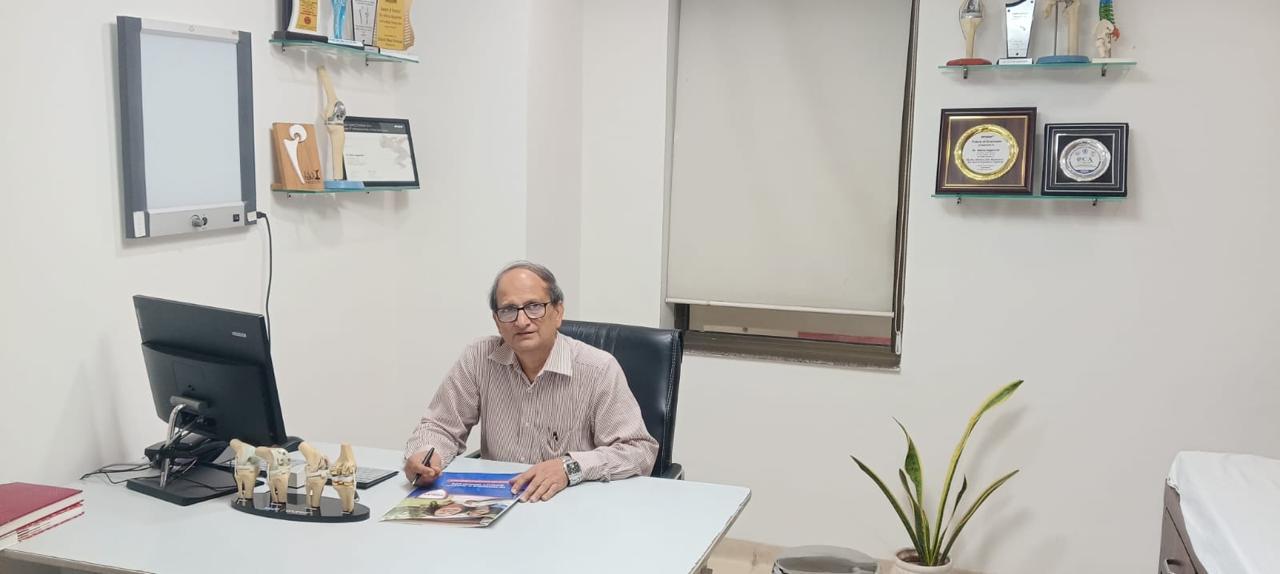
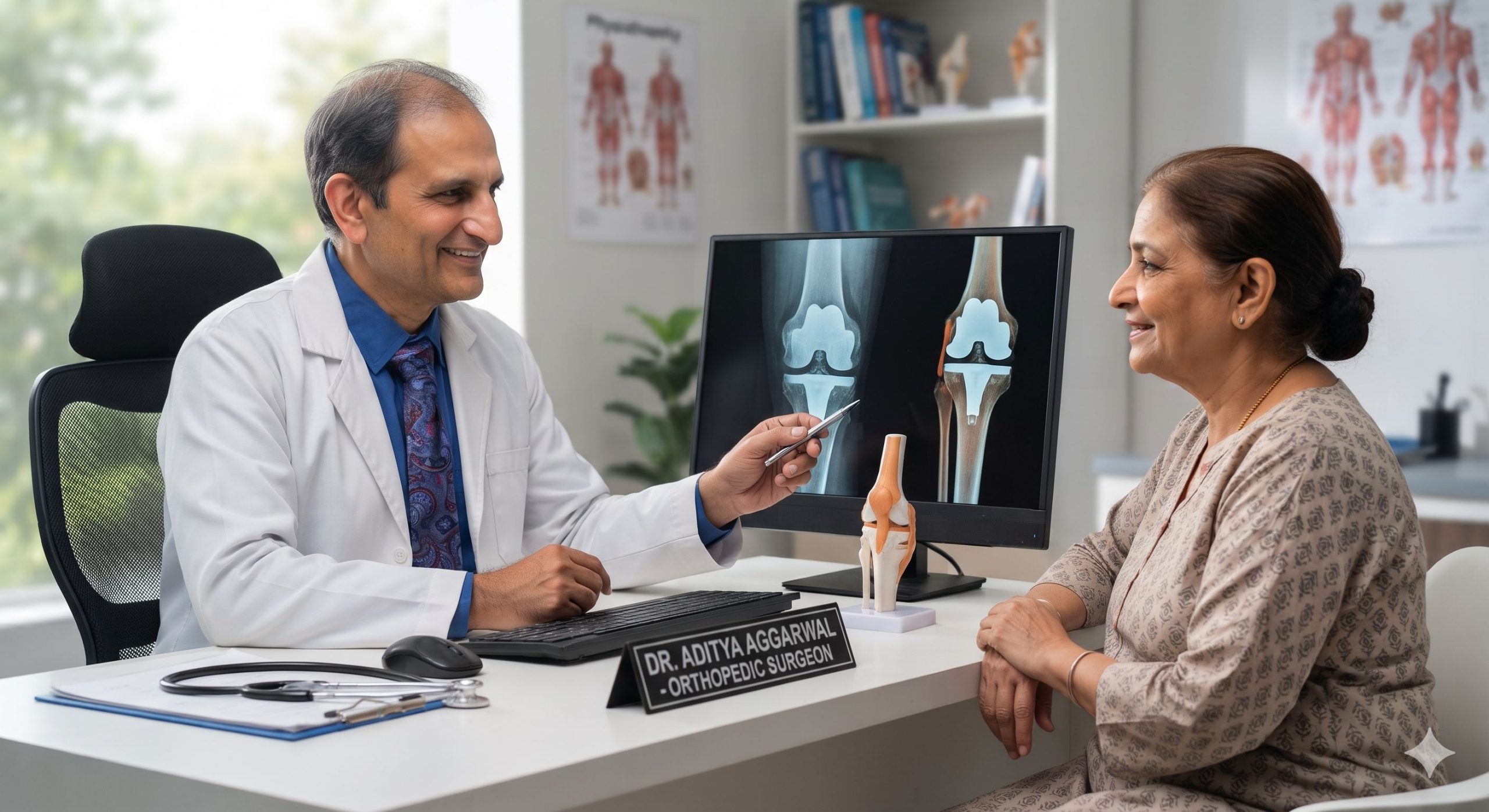
    Dr. Aditya K. Aggarwal
    Dr. (Prof) Aditya K. Aggarwal
    Principal Director & Head, Orthopaedics and Joint Replacement, Shalby Multi-Specialty Hospital, Mohali. 75,000+ joint replacements, 35+ years, ex-Professor & Head, PGIMER Chandigarh. Full profile →
    Individual results vary by patient anatomy, diagnosis and overall health. This page is for general information and does not constitute medical advice; please consult Dr. Aggarwal directly for an assessment specific to your condition.

    Have Questions About Your Joint Pain?

    Send Dr. Aggarwal’s team your X-ray or MRI on WhatsApp and get a straight answer on what it means.
    Book a Consultation
  • Restoring Your Mobility: The Best Knee and Joint Replacement Surgeon in Mohali

    Restoring Your Mobility: The Best Knee and Joint Replacement Surgeon in Mohali

    Patient Guide
    Patient Guide · By Dr. Aditya K. Aggarwal · 6 min read

    Restoring Your Mobility: The Best Knee and Joint Replacement Surgeon in Mohali

    Osteoarthritis and rheumatoid arthritis are very real conditions that cause severe joint pain. In addition, severe joint injuries can cause chronic joint pain. Usually, conservative treatments like physiotherapy and medications are enough to alleviate joint pain. However, there comes a time when these treatments are no longer effective, and joint surgery becomes the most viable option for patients to reclaim their pain free and active lives.

    For individuals who experience chronic joint pain in the Tricity region, finding the best medical practitioner is the first big step toward healing. This document will help you find the right Joint Replacement Surgeon in Mohali and understand recent advancements (especially in the field of knee replacements) that improve patient outcomes.

    Identifying When a Joint Replacement is Necessary

    Joints are very complex structures. Each joint is made up of two or more bones that are held together by smooth articular cartilage that allows bones to glide effortlessly against one another. As we age, wear and tear occur on the cartilage causing bones to rub against each other. This can also occur from an injury or an inflammatory condition.

    Some of the signs you should see a specialist include:

    • You experience persistent pain that doesn’t subside with rest.
    • You experience severe joint stiffness in the morning and/or after prolonged periods of sitting.
    • Your joints appear visibly deformed with swelling that doesn’t improve with the use of medications.
    • Non-surgical treatments (e.g., lifestyle modification, pain medications, or intra-articular injections) fail to improve your condition.

    When joint damage limits your independence, surgery can restore your ability to move pain-free and with greater confidence.

    The Importance of Precision in Knee Replacement Surgery

    The knee is one of the most loaded load-bearing joints of the human body. Traditionally, surgery has relied on the experience of the surgeon and the skill of the assistant to perform a complete and successful operation. With the advancement of technology, knee surgery has become less invasive, safer, and more precise.

    As a leading Knee Replacement Surgeon in Mohali, my practice focuses on the precise alignment of the femur and tibia, the preservation of healthy ligaments and tendons, and the use of advanced pain and muscle relaxant medications in conjunction with a regional anesthetic technique to provide rapid recovery and decrease the need for opioid medication.

    The incorporation of computer navigation and robotics allows surgeons to accomplish more exact anatomical positioning of components in joint replacement surgery.

    Customized Fit:

    Surgical plans are made considering the unique geometry of your bones to ensure your joints have a full range of motion.

    Preservation of Healthy Tissue:

    By using minimally invasive techniques, there is less damage to the muscles, tendons, and ligaments in and around your knee.

    Faster Recovery:

    Because the components of the knee replacement are placed precisely, there is less pain and swelling, which allows you to walk and move your knee more quickly.

    Improved Longevity of the Implant:

    If the implant is in an aligned position, it reduces the rate of wear on the artificial surfaces and extends the life of the implant.

    Qualities to Evaluate when Selecting a Joint Replacement Specialist

    The most valuable asset we all have is our mobility. You have to make an informed decision about who to trust with your mobility. The following are the markers of excellence that you should look for when evaluating doctors in Punjab and the Tricity area of Chandigarh:

    • A surgeon who performs only joint reconstruction cases and not general orthopedics. This ensures that they have expertise in performing complex primary and revision surgeries.
    • Academic and Research Background: Surgeons involved in research and teaching keep abreast with modern techniques, and are, therefore, better poised to provide the best care possible.
    • Comprehensive Care Infrastructure: The outcome of a surgery depends on several other factors, including the level of care provided before and after the surgery. Look for centers that have top-notch infrastructure to support intensive care and rehabilitation.
    • Personalized Approach: A surgeon should take time to understand your needs and address your concerns. Choose a surgeon who will develop and implement a tailored rehabilitation plan with you.

    Taking the Next Step Towards Recovery

    Joint pain takes a toll on your mental and physical well-being, and your independence. It even impacts your will to live. Thankfully, options to live a pain-free and unrestricted life have tremendously improved.

    If you wish to discuss your options for joint care, the best place to start is to book a consultation for a thorough clinical evaluation. To take a step towards a life free from joint pain, click here to schedule your consultation.

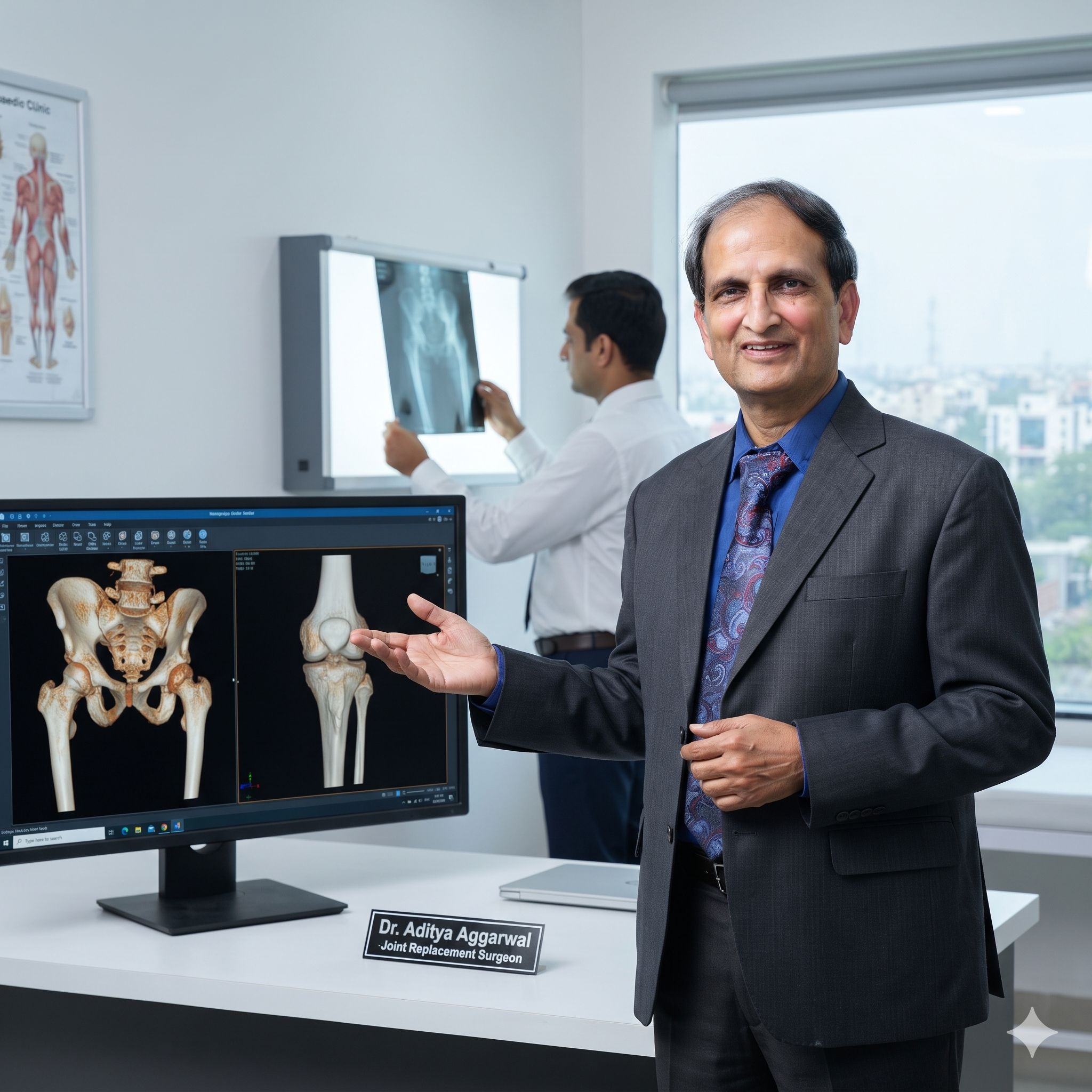
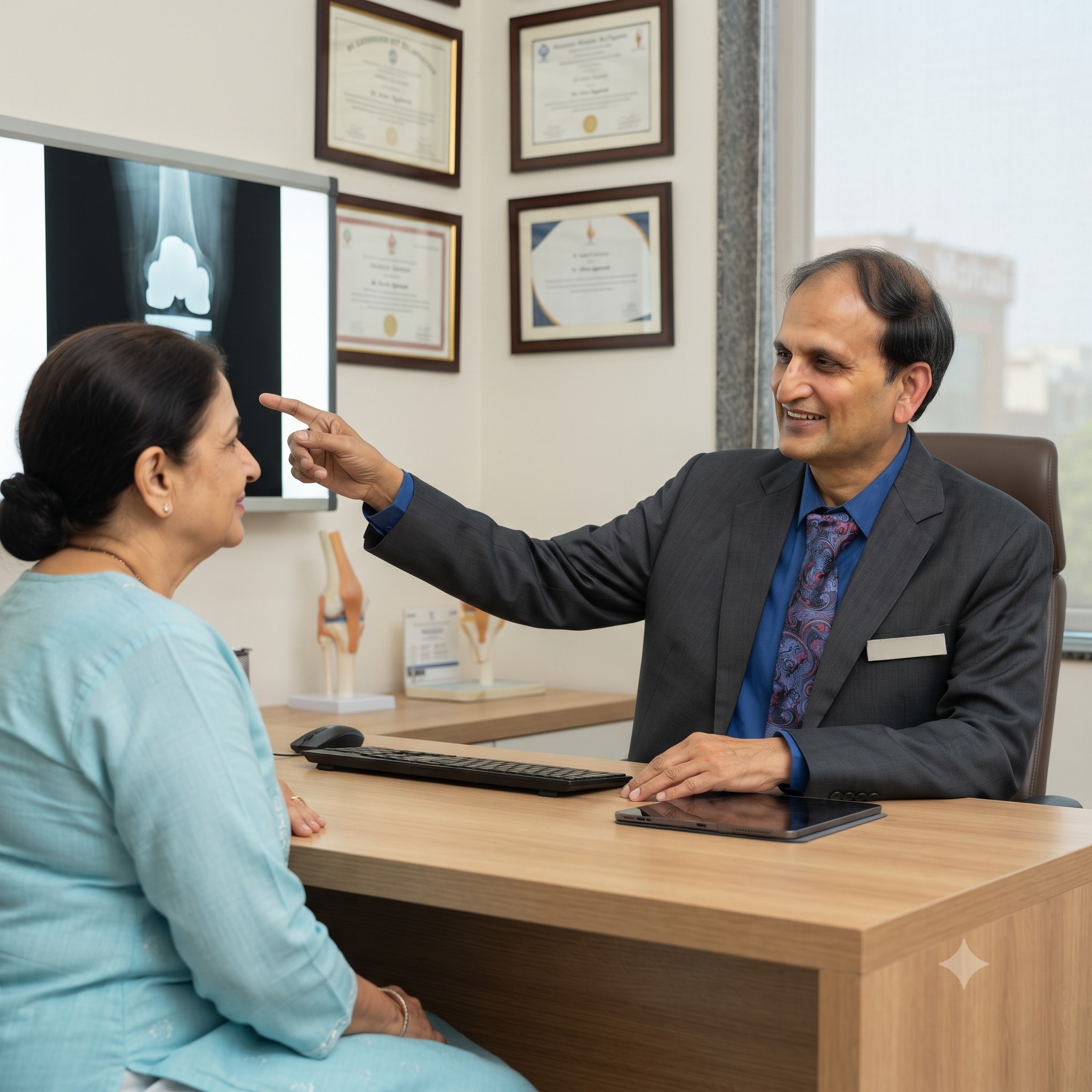
    Dr. Aditya K. Aggarwal
    Dr. (Prof) Aditya K. Aggarwal
    Principal Director & Head, Orthopaedics and Joint Replacement, Shalby Multi-Specialty Hospital, Mohali. 75,000+ joint replacements, 35+ years, ex-Professor & Head, PGIMER Chandigarh. Full profile →
    Individual results vary by patient anatomy, diagnosis and overall health. This page is for general information and does not constitute medical advice; please consult Dr. Aggarwal directly for an assessment specific to your condition.

    Have Questions About Your Joint Pain?

    Send Dr. Aggarwal’s team your X-ray or MRI on WhatsApp and get a straight answer on what it means.
    Book a Consultation
  • When Should You See a Hip or Knee Replacement Surgeon in Mohali?

    When Should You See a Hip or Knee Replacement Surgeon in Mohali?

    Patient Guide
    Patient Guide · By Dr. Aditya K. Aggarwal · 6 min read

    When Should You See a Hip or Knee Replacement Surgeon in Mohali?

    Joint pain changes your world gradually, then all at once. What starts as a mild ache after a morning walk soon turns into a struggle to climb stairs, get up from a chair, or go for an evening walk at all. The pain, the stiffness, the sheer inconvenience of it — they take over, quietly, until you notice you’ve stopped doing things you used to enjoy.

    If severe arthritis or an old injury has brought you to this point, and you’re wondering what the next step should be, here’s where I’d start: for residents of the Tricity dealing with chronic joint degeneration, finding the right surgical expert is the real turning point toward getting your life back. Once conservative treatment — medication, physiotherapy — has stopped giving you the relief it once did, it’s time to consult an experienced Hip Replacement Surgeon in Mohali or Knee Replacement Surgeon in Mohali and actually understand your options.

    When Should You Seek Help From a Joint Specialist?

    Surgery should always be the last resort — only once the joint has genuinely deteriorated and the cartilage has broken down. That degeneration can happen for a few different reasons:

    • Osteoarthritis
    • Rheumatoid arthritis
    • Trauma or old injury

    You should think about seeing a joint replacement specialist if you’re dealing with:

    • Severe pain in the joint that’s present even at rest, or that wakes you at night.
    • Stiffness that doesn’t ease up over time.

    Some patients also notice swelling or tenderness when the joint moves, or a grinding, popping sensation (what we call crepitus) during movement. Joint deformity or visible leg bowing is usually a sign the disease has progressed further. And when a joint starts limiting your range of motion, or getting in the way of ordinary things — walking, driving, getting up from a chair — that’s usually the point where it’s worth a proper conversation rather than waiting it out.

    What to Expect From Joint Replacement Surgery Today

    Orthopaedics has changed a lot over the last decade, and that’s changed how surgery gets planned and performed too. Advances like CT scans and MRI now let a surgeon map out the procedure in far more detail before ever stepping into the OT.

    Advanced Hip Replacement

    A Total Hip Replacement (THR) relieves joint pain and restores function by surgically removing the damaged, worn-out surfaces of the hip and replacing them with medical-grade prosthetic components — rebuilding the normal ball-and-socket anatomy so the joint moves and bears weight the way it’s meant to.

    Advanced Knee Replacement

    Partial and Total Knee Replacements work the same way for the knee — relieving pain and restoring function by resurfacing the diseased, damaged articular surfaces with medical-grade implants. Lately, the emphasis in knee surgery has shifted toward preserving the joint’s normal kinematics during the procedure, so the surrounding ligaments stay undisturbed and the knee feels closer to natural once it’s healed.

    Choosing a specialist Hip Replacement Surgeon in Mohali or Knee Replacement Surgeon in Mohali means years of focused clinical experience across thousands of primary and revision procedures — and the skill to manage complex cases with:

    Customized Surgical Planning: determining the optimal alignment and implant size specific to your own anatomy, not a one-size-fits-all approach.

    Enhanced Recovery After Surgery (ERAS) protocols — an aggressive, multimodal approach to pain management, focused on getting you up and moving, assisted, on the very day of surgery.

    Extended Postoperative Rehabilitation: dedicated support through the early stages of recovery, to rebuild range of motion, strength and overall joint function.

    The right time to see a specialist isn’t when the pain is unbearable. It’s when it’s started limiting your life — that’s usually earlier than most patients think.

    Taking the Next Step Toward Pain-Free Mobility

    Joint discomfort affects far more than the joint itself — it affects your whole quality of life. If you or someone in your family has chronic hip or knee pain, it’s worth consulting a specialist sooner rather than later. There’s a full range of treatment options available, from joint-preservation techniques through to replacement surgery, and you deserve a clear understanding of all of them before deciding what’s right for you.

    To discuss your condition, go through your imaging, and talk through your options in detail, book a consultation with our team.

    Don’t let joint pain dictate your life. You deserve to move freely and be active again.

    FAQ

    How do I know if it’s time to see a hip or knee replacement surgeon?
    If pain and stiffness are present even at rest or at night, and medication or physiotherapy aren’t giving the relief they once did, that’s the point to consult a joint specialist — not necessarily to schedule surgery immediately, but to understand your actual options.
    Is robotic-assisted joint replacement available in Mohali?
    Yes. Dr. Aggarwal performs robotic and AI-assisted hip and knee replacement at Shalby Multi-Specialty Hospital, Mohali — patients from across Chandigarh, Panchkula and the wider Tricity don’t need to travel to a metro city for this.
    Does seeing a specialist always mean surgery?
    No. Surgery is the last resort, used once joint cartilage has genuinely deteriorated. A specialist will first look at joint-preservation options and conservative treatment before replacement is ever on the table.
    Dr. Aditya K. Aggarwal
    Dr. (Prof) Aditya K. Aggarwal
    Principal Director & Head, Orthopaedics and Joint Replacement, Shalby Multi-Specialty Hospital, Mohali. 75,000+ joint replacements, 35+ years, ex-Professor & Head, PGIMER Chandigarh. Full profile →
    Individual results vary by patient anatomy, diagnosis and overall health. This page is for general information and does not constitute medical advice; please consult Dr. Aggarwal directly for an assessment specific to your condition.

    Have Questions About Your Hip or Knee?

    Send Dr. Aggarwal’s team your X-ray or MRI on WhatsApp and get a straight answer on what it means.
    Book a Consultation
  • Getting Back Your Mobility: What to Expect from High Level Orthopaedic Care

    Getting Back Your Mobility: What to Expect from High Level Orthopaedic Care

    Patient Guide
    Patient Guide · By Dr. Aditya K. Aggarwal · 4 min read

    Getting Back Your Mobility: What to Expect From High-Level Orthopaedic Care

    Joint pain, stiffness and restricted mobility all impact the quality of your life. Whether it is the sharp pain you feel when you climb stairs, the ache from that old sports injury or the discomfort from the joints of your body worn out from use over the years, health of your musculoskeletal system defines the way you interact with the world around you. Often, painkillers and other conservative methods don’t help and you find yourself needing to consult a specialist.

    For patients of Mohali and surrounding areas seeking advanced intervention and compassionate care, best orthopaedic doctor in mohali is the first significant step in the process of regaining their health. Traditional open surgeries are only a part of orthopaedic practices today. There is a large emphasis on precision techniques to maximize the outcomes and minimize the recovery time.

    What is Modern Orthopaedic Excellence?

    A combination of the three elements surgical excellence and precision, decades of clinical experience and extensive planning for the patient helps surgeons achieve excellence in both orthopaedic surgery and joint preservation. Patients need to evaluate potential care providers for the aforementioned markers. Some other markers are:

    • Private Practice: Departments of joint preservation/replacement in teaching hospitals are large and tend to have lower staff-to-patient ratios. A good care provider practices in the private sector.
    • Career Anchors: Having orthopaedic surgeons who are trained in joint preservation/replacement and have extensive experience in related fields (i.e. trauma care) at the same facility is a good sign.
    • Patient Volume: A good care provider has a large and diverse patient volume. This is indicative of good outcomes.

    A skilled experienced orthopaedic surgeon in Mohali can provide an accurate diagnosis and create an individualized treatment plan tailored to your lifestyle, age, and specific goals.

    Key Areas of Sub-Specialization

    The field of Orthopaedics encompasses numerous sub-specialties dedicated to restoring pain-free movement. These include:

    1. Joint Replacement Surgery (Knee & Hip): For severe osteoarthritis and joint degeneration, Total Knee Replacement (TKR) and Total Hip Replacement (THR) surgeries can dramatically improve and, in some cases, restore quality of life. Recent advances have focused on preserving healthy bone and restoring natural joint movement.
    2. Sports Medicine & Arthroscopy: Tears of the ACL, LCL, and other ligaments, meniscus and cartilage damage, and instability of the shoulder and other joints are common among athletes and physically active individuals. Minimally invasive, arthroscopic surgical techniques allow for more rapid recovery and a safe return to peak performance.
    3. Complex Trauma & Fracture Care: High-velocity road traffic accidents or fragility fractures in the elderly need urgent, structured, and timely surgical interventions to achieve union of the fractured bones and prevent lifelong disability.

    Taking the Next Step Toward a Pain-Free Life

    It is often not necessary to continue living in chronic joint pain. In the region, advanced medical facilities and skilled surgical specialists provide the opportunity for mobility and a pain free life.

    If you or a family member is suffering from chronic joint pain and needs a comprehensive evaluation, consultation, and potential treatment, it can improve your quality of life. To learn more about the latest treatment protocols, to schedule a consultation, and develop an individualized care plan, visit Dr. Aditya Aggarwal and take your first step towards an improved quality of life.

    Dr. Aditya K. Aggarwal
    Dr. (Prof) Aditya K. Aggarwal
    Principal Director & Head, Orthopaedics and Joint Replacement, Shalby Multi-Specialty Hospital, Mohali. 75,000+ joint replacements, 35+ years, ex-Professor & Head, PGIMER Chandigarh. Full profile →
    Individual results vary by patient anatomy, diagnosis and overall health. This page is for general information and does not constitute medical advice; please consult Dr. Aggarwal directly for an assessment specific to your condition.

    Ready to Take the Next Step?

    Send Dr. Aggarwal’s team your X-ray or MRI on WhatsApp and get a straight answer on what it means.
    Book a Consultation
  • Shoulder & Elbow Replacement Specialist in Mohali – Expert Care by Dr. Aditya Aggarwal

    Shoulder & Elbow Replacement Specialist in Mohali – Expert Care by Dr. Aditya Aggarwal

    Patient Guide
    Patient Guide · By Dr. Aditya K. Aggarwal · 4 min read

    Shoulder & Elbow Replacement Specialist in Mohali

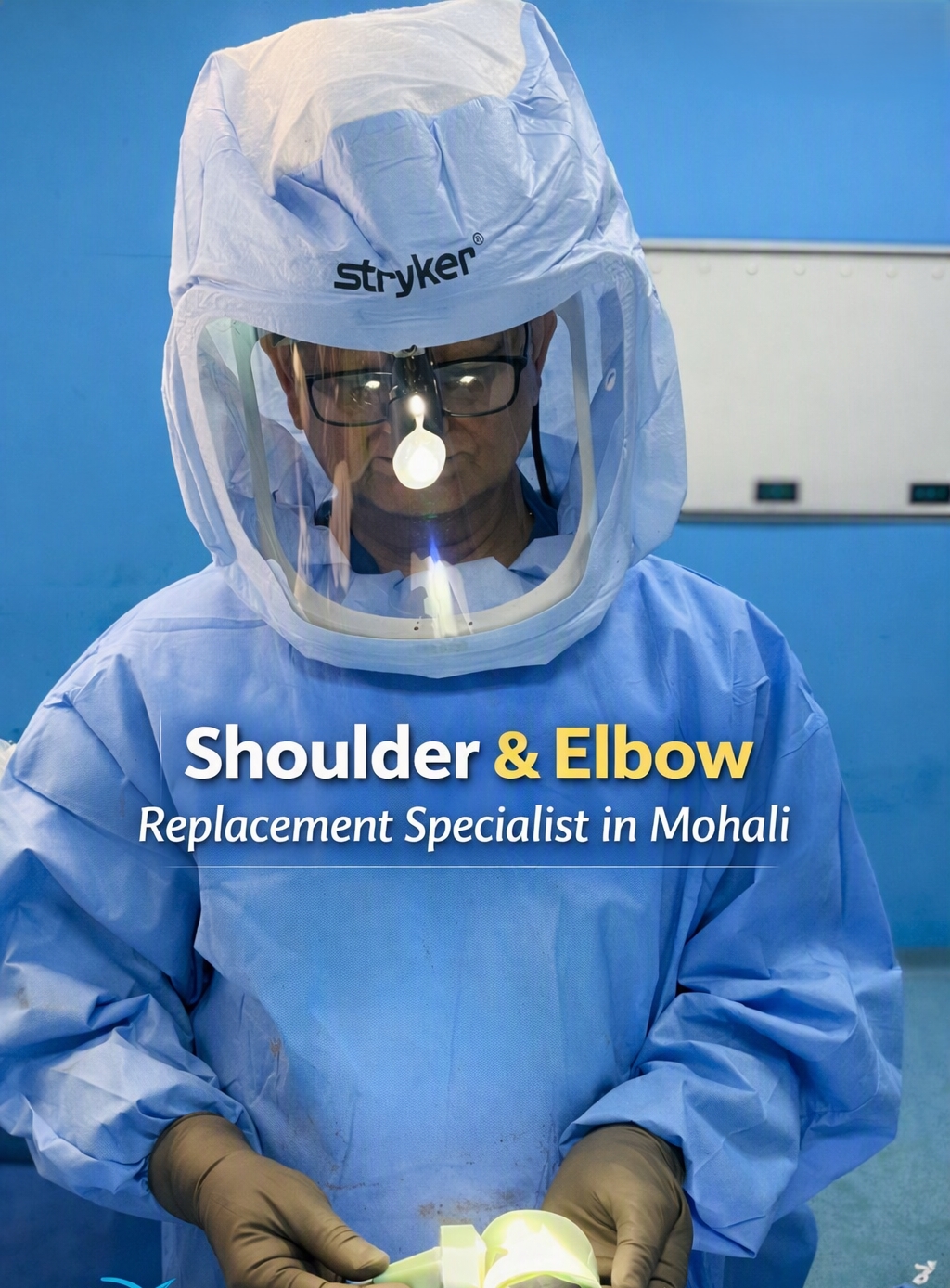
    Shoulder and elbow problems can severely affect daily life, limiting mobility, causing persistent pain, and reducing independence. For patients in Punjab and the Tricity region, finding the right specialist is crucial. Dr. Aditya Aggarwal, a renowned shoulder & elbow replacement specialist in Mohali, offers advanced surgical solutions and compassionate care to help patients regain strength, flexibility, and confidence.

    Why Choose a Shoulder & Elbow Replacement Specialist?

    Shoulder and elbow replacement surgeries are highly specialized procedures designed to restore function in damaged joints. Whether caused by arthritis, injury, or degenerative conditions, these surgeries can:

    • Relieve chronic pain
    • Improve range of motion
    • Restore the ability to perform everyday tasks
    • Enhance overall quality of life

    Dr. Aggarwal’s expertise ensures that patients receive personalized treatment plans, modern surgical techniques, and comprehensive rehabilitation support.

    Experienced Orthopaedic Surgeon in Mohali

    As an experienced orthopaedic surgeon in Mohali, Dr. Aggarwal has successfully treated countless patients with complex joint conditions. His practice combines:

    • Advanced Technology – State‑of‑the‑art operation theatres and imaging facilities.
    • Precision Techniques – Minimally invasive approaches for faster recovery.
    • Holistic Care – From diagnosis to post‑surgery physiotherapy, every step is carefully managed.
    • Patient‑Centric Approach – Compassionate consultations and tailored treatment strategies.

    Shoulder & Elbow Replacement – What to Expect

    1. Comprehensive Evaluation – Detailed imaging and diagnostic tests.
    2. Customized Surgical Plan – Based on patient’s age, lifestyle, and condition severity.
    3. Surgery Day – Performed with precision to ensure long‑lasting results.
    4. Rehabilitation – Guided physiotherapy sessions to restore mobility.
    5. Follow‑Up Care – Regular check‑ups to monitor progress and implant success.

    Why Patients Trust Dr. Aditya Aggarwal

    • Recognized as a leading shoulder & elbow replacement specialist in Mohali
    • Years of experience in complex orthopaedic surgeries
    • High success rates with joint replacement procedures
    • Trusted by patients across Chandigarh, Mohali, and the Tricity

    Conclusion

    If shoulder or elbow pain is limiting your lifestyle, consult Dr. Aditya Aggarwal. With his expertise as an experienced orthopaedic surgeon in Mohali, patients can look forward to pain relief, improved mobility, and a healthier, more active life.

    Dr. Aditya K. Aggarwal
    Dr. (Prof) Aditya K. Aggarwal
    Principal Director & Head, Orthopaedics and Joint Replacement, Shalby Multi-Specialty Hospital, Mohali. 75,000+ joint replacements, 35+ years, ex-Professor & Head, PGIMER Chandigarh. Full profile →
    Individual results vary by patient anatomy, diagnosis and overall health. This page is for general information and does not constitute medical advice; please consult Dr. Aggarwal directly for an assessment specific to your condition.

    Have Questions About Shoulder or Elbow Pain?

    Send Dr. Aggarwal’s team your X-ray or MRI on WhatsApp and get a straight answer on what it means.
    Book a Consultation
  • Robotic Hip Replacement Surgery Near Me: Understanding Advanced Hip Care

    Robotic Hip Replacement Surgery Near Me: Understanding Advanced Hip Care

    Robotic Surgery
    Robotic Surgery · By Dr. Aditya K. Aggarwal · 6 min read

    Robotic Hip Replacement Surgery Near Me: Understanding Advanced Hip Care

    Hip pain can make day to day activities such as walking, or getting in and out of a car, difficult. If injury or disease causes damage to your hip and conservative treatment methods like physical therapy or medication do not provide any relief, hip replacement surgery may be an option. Recently, more advanced techniques in surgery have been developed that may allow for more accurate and optimal placement of the hip replacement components.

    Patients searching for Robotic Hip Replacement Surgery Near Me often want to understand how this technology works, who may benefit from it, and what to consider when choosing a hospital and orthopaedic specialist. Understanding the procedure can help patients have a more informed discussion with their healthcare team.

    What is Robotic Assisted Hip Replacement?

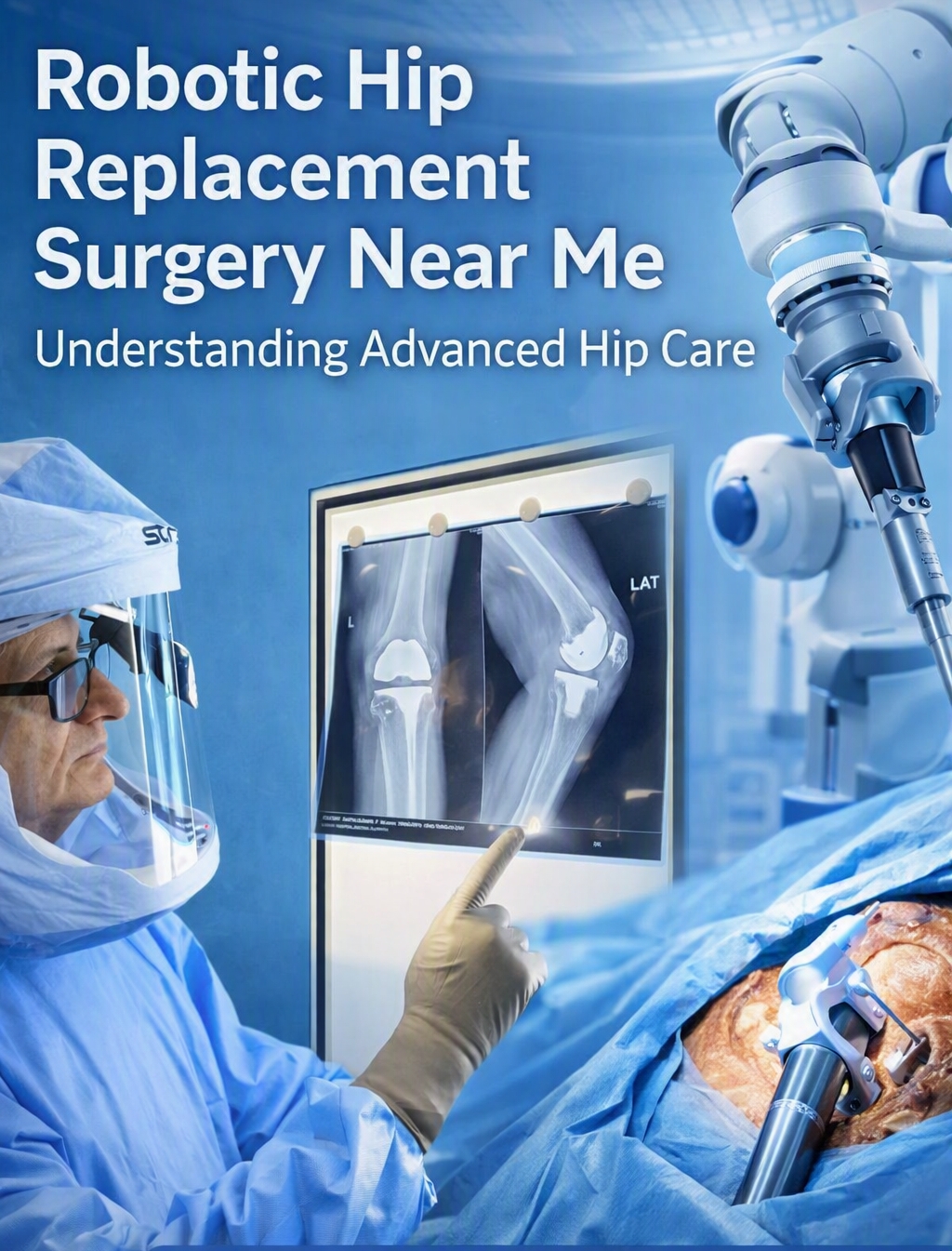
    With this procedure, the surgeon still performs the procedure with the assistance of a computer and robotic arm. The surgeon is always in control of the procedure. The computer and robotic arm provide information and assistance to the surgeon.

    Why is Hip Replacement Surgery Done?

    Hip replacement surgery is done when the pain and stiffness caused by injury or disease to the hip joint is so severe that everyday activities and functions are restricted and limited.

    Hip replacement is considered for:

    • Osteoarthritis
    • Rheumatoid arthritis
    • Avascular necrosis
    • Traumatic hip injury
    • Significant injury to the articular surface
    • Hip dysplasia
    • Other conditions that cause damage to the hip joint

    Not all patients that have these conditions will need a hip replacement. The decision is based on several factors including your symptoms, physical examination and tests (x-rays).

    How does the Robotic System assist the Surgeon?

    The primary function of robotic systems for hip replacement is advanced planning. The robotic system is integrated with a computer system to assist the surgeon in analyzing the patient’s anatomy.

    Adequate planning can help the surgical team:

    • Understand the patient’s pathoanatomy
    • Position the hip replacement components
    • Assess the leg length inequality and hip rotation

    Help the surgeon in making decisions based on the patient’s requirements.

    What are the Advantages of Robotic Hip Replacement?

    The benefits of using robotics in surgery depends on the patient, type of surgery and the system being used.

    Fracture Hip Replacement Surgery

    Prior planning can help the surgeon position the hip replacement components in alignment with the patient’s hip and leg anatomy.

    Other benefits

    Each patient’s hip has a unique anatomy. The surgeon can use the robotic system to assist in planning the surgery based on the patients anatomy.

    The system can assist the surgeon in making decisions about positioning and alignment of the hip replacement components.

    Surgical guidance

    Certain systems allow for real-time data to be integrated to enhance surgical procedures at various stages.

    In the context of surgical procedures, the devices serve as an adjunct to the surgeon’s skills and do not substitute for the surgeon. A myriad of factors such as the patient’s health and condition, type of prosthetic implant, and the surgeon’s skill and expertise affect the outcome of the surgery and the patient’s recovery.

    Who is a good Candidate for Robotic Hip Replacement?

    There are several reasons for a surgeon to determine that robotic assistance is warranted. Those reasons may be dictated by the patient’s anatomy, the surgical requirements and the overall health of the patient.

    The decision to proceed with hip replacement is made by the patient and the surgeon, and may not always require the use of advanced surgical technologies.

    To learn more about the procedure, contact a board certified orthopedic surgeon in your area to discuss your specific concerns and questions.

    Selecting a hospital for robotic hip replacement

    Being the nearest hospital is not always the best hospital. Patients should assess the total caregiver team (doctors and nurses), available surgical and diagnostic care, rehabilitation, care and services provided after surgery.

    Prior to your decision, ask potential care centers the following questions:

    • What kind of robotic technology do you utilize?
    • What kind of procedures does your surgical team perform utilizing robotic technology?
    • What kind of prosthetic implants do you use?
    • What sort of rehabilitative care do you provide?
    • What sort of care do you provide after surgery?

    What to Expect During Your Stay

    We will spend time prior to surgery collecting detailed information about you and your health. This may include reviewing your symptoms, your health history and your physical exam, and/or any imaging studies.

    Based on the information available, we may be able to create a digital plan to guide the surgery using robotic technology.

    Surgery will involve replacing your hip joint using surgical techniques and technology to assist in measurement and guides.

    Following the surgery, there will be members of the health care team available to assist you. You will be in the rehabilitation stage of your surgery to improve your joint function, strength and mobility.

    Recovery After Robotic Hip Replacement

    Your recovery will be different than the average person’s. This is because each individual has their own unique set of conditions that may improve or slow down the overall recovery process.

    You will be moving your hip and/or taking steps to improve your recovery. Improving your recovery may also include improvement of your quality of life and sense of wellness.

    Your recovery may be improved or limited by a variety of factors such as your compliance to your surgeon’s instructions.

    Recovery and improvement will be measured and assessed during your follow up appointments.

    Recovery will also depend on your overall health. Technology can only do so much. There are other factors such as rehabilitation that will determine your recovery.

    The Importance of Rehabilitation

    Even with advanced surgical technology, rehabilitation remains an important part of recovery.

    A physiotherapy programme may include:

    • Walking exercises
    • Strengthening exercises
    • Mobility training
    • Balance exercises
    • Gradual return to daily activities

    Patients should progress according to the recommendations of their healthcare team rather than attempting demanding activities too early.

    Questions to Ask Your Orthopaedic Surgeon

    • Why do I have hip pain?
    • Is surgery to replace my hip the best option?
    • Could I be a candidate for robotic-assisted surgery?
    • What kinds of robotic and other technology will be used?
    • What kind of hip prosthesis is used in this surgery?
    • What are the risks?
    • How long will my hip recovery be?
    • When can I go back to normal activities?

    Answers to these questions can help you understand your situation and set appropriate expectations.

    Conclusion

    Robotic-assisted surgical system is one of many advanced technologies to assist surgeons. It can help in digital and surgical planning and provide intra-operative assistance.

    When you have hip pain that limits your daily activities, you should see an best orthopaedic doctor in the Tricity to have your situation assessed. After a thorough evaluation, a surgical plan and appropriate treatment can be developed.

    Dr. Aditya K. Aggarwal
    Dr. (Prof) Aditya K. Aggarwal
    Principal Director & Head, Orthopaedics and Joint Replacement, Shalby Multi-Specialty Hospital, Mohali. 75,000+ joint replacements, 35+ years, ex-Professor & Head, PGIMER Chandigarh. Full profile →
    Individual results vary by patient anatomy, diagnosis and overall health. This page is for general information and does not constitute medical advice; please consult Dr. Aggarwal directly for an assessment specific to your condition.

    Have Questions About Your Hip?

    Send Dr. Aggarwal’s team your X-ray or MRI on WhatsApp and get a straight answer on what it means.

    Book a Consultation
  • When is it Necessary to Approach an Orthopedic Surgeon for Your Knee Problems in Chandigarh?

    When is it Necessary to Approach an Orthopedic Surgeon for Your Knee Problems in Chandigarh?

    Patient Guide
    Patient Guide · By Dr. Aditya K. Aggarwal · 6 min read

    When Is It Necessary to See an Orthopedic Surgeon for Knee Problems in Chandigarh?

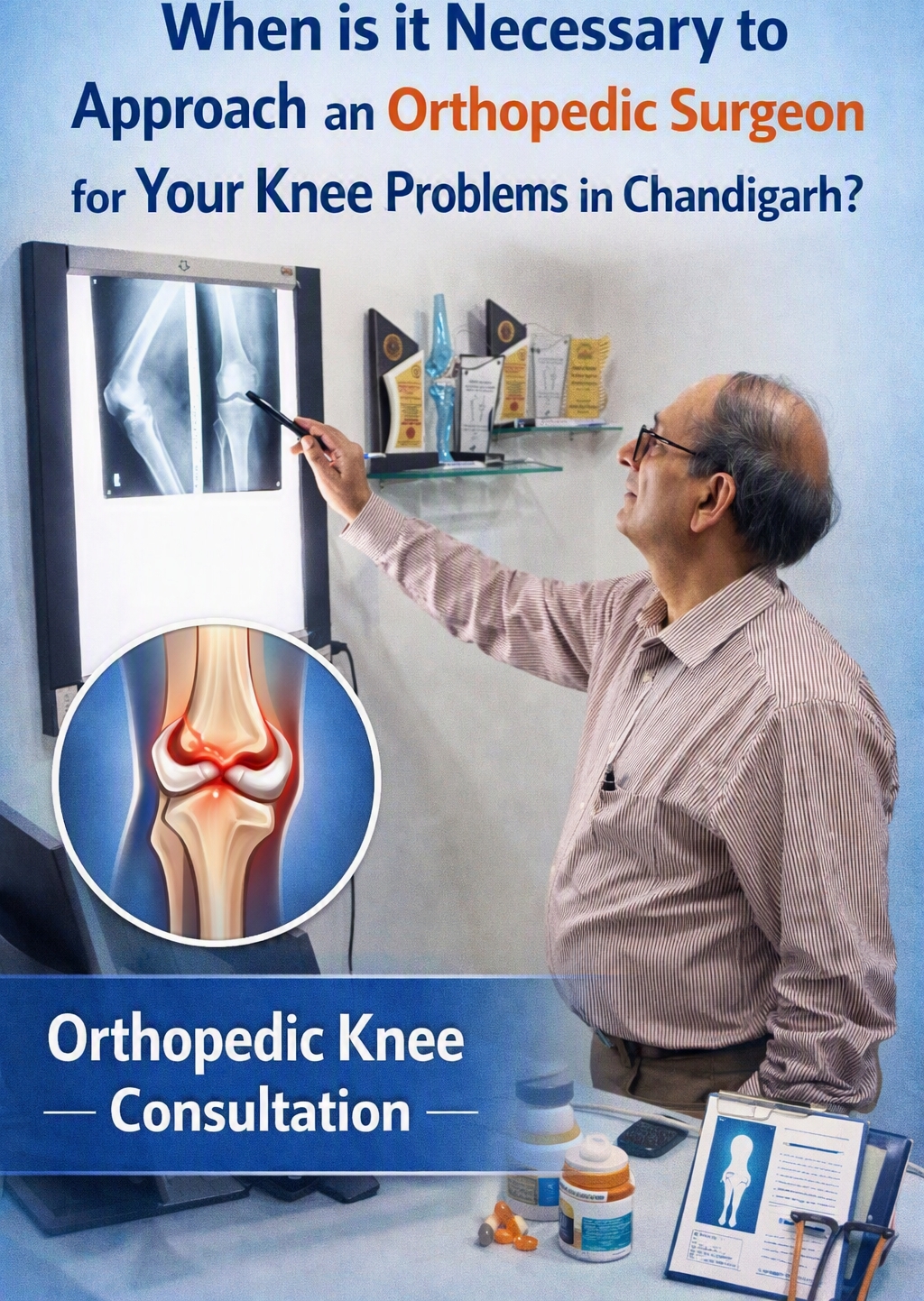
    Pain in the knee is a condition which can happen to people of all ages. It can happen because of an injury, overuse, arthritis, lack of cartilage in the knee, or other conditions. Usually, pain in the knee can be treated by rest, and other minor methods. But if the pain doesn’t go away, and it starts affecting your work, then you should see an orthopedic surgeon.

    Recognizing the conditions and when to see a doctor will help you in identifying the problem and choosing the best available option for it. Finding the best orthopedic surgeon for knee in Chandigarh can be difficult. However, by identifying the conditions and available options for it, you can take the best steps for it.

    When to see an Orthopedic Surgeon?

    Only not seeing a specialist for knee problems is not the best option. You should see an orthopedic surgeon if the conditions get worse. Some conditions which force you to see an orthopedic surgeon are mentioned below.

    1. Persistent Knee Pain

    If you are not able to get relieved from pain by just rest for a long time.

    If you are not able to do normal activities like walking or climbing stairs.

    2. Difficulty Walking or Climbing Stairs

    Risk factors for reduced mobility include osteoarthritis, ligament and cartilage injuries and other conditions affecting the joints.

    3. Swelling and Stiffness

    Repeated knee swelling or stiffness can indicate an injury or condition such as arthritis.

    If swelling or stiffness does not resolve and causes an inability to fully straighten the leg, a medical professional should be seen to evaluate the cause.

    4. Knee Instability

    Knee instability or “giving way” is abnormal and may indicate an injury.

    Stress on an unstable knee may cause the ligaments to completely give way, resulting in a fall. Injuries may also be structural. An orthopedic surgeon can diagnose the injury and determine the next course of treatment which may include physical therapy, or surgery.

    5. Pain

    If pain is experienced after a knee injury, it is important to have the injury evaluated as there may be damage to the ligaments, tendons and meniscus. An ACL injury should be evaluated as soon as possible.

    A thorough examination of the injured knee may allow a medical professional to rule out other, less serious conditions.

    Conditions requiring a specialist

    A surgery to repair or replace the knee may be performed by an orthopedic surgeon.

    Osteoarthritis

    Osteoarthritis may be diagnosed and treated by an orthopedic surgeon. The breakdown of cartilage in the joints results in pain and a loss of mobility.

    Treatment may include pain management, anti-inflammatory medication and surgical intervention.

    Ligament Injuries

    Stability of the knee is provided by a number of ligaments. Injury to these ligaments may occur while participating in sports or in other medical/accidental conditions.

    Treatment of such injuries is individualized, taking into account the severity of the injury, the person’s age, level of physical activity and other factors.

    Meniscus Injuries

    The meniscus is a cartilage which acts as a cushion between the bones of the knee. It can get injured or torn during a sports injury or as a result of wear and tear.

    Injuries may also occur focally and in some cases may not require an invasive intervention.

    However, if symptoms do not improve, further treatment by surgery may be required.

    Knee Deformity

    Various conditions may cause the legs to be deformed and the knee to be out of its normal alignment. This may lead to difficulty in walking and may cause undue strain and stress to other parts of the leg and knee.

    In such cases, a doctor may advise an evaluation of the knee and leg to see if there is a deformity and to what extent. This may also help to decide the course of treatment.

    Advanced Joint Disease

    When knee pain becomes disabling and limits normal activities of daily living, it may be an indication for surgical removal of the knee joint (knee replacement).

    What to Expect From an Orthopedic Surgeon

    When you want to consult the top orthopedic doctor for knee in Chandigarh or any surrounding areas, it is useful to have an idea of what to expect during your first meeting with the surgeon.

    The surgeon will talk to you about your symptoms, conditions that affected your past health, surgeries and injuries, your general fitness level, and what kinds of activities you can do and what you enjoy doing.

    What are my treatment options?

    The conditions that affect the knee can range from minor to major and may require both surgical and non-surgical treatments. Some of the non-surgical treatments may include:

    • Physiotherapy
    • Use of special aids and braces
    • Weight loss if overweight
    • Certain medications
    • Injections
    • Modification of your daily activities

    The goal of treatment is to alleviate symptoms and improve movement of the knee. In the case where symptoms do not improve or if the knee condition is serious, then a surgical procedure may be required.

    When Is Knee Surgery Considered?

    Conditions that may require surgery include:

    • Major injuries or fractures affecting the knee
    • Degeneration of the knee joint (also called osteoarthritis)
    • Dislocation of the knee joint
    • Tear of the cartilage or meniscus

    Some of the surgical procedures that may be recommended to treat the above conditions include total or partial knee replacement, arthroscopy and ligament reconstructions.

    In the case where a total knee replacement is recommended, then the use of advanced surgical technology may be offered.

    How to Choose a Knee Specialist in Chandigarh

    When choosing a knee specialist in Chandigarh, consider the following:

    • Whether the specialist has experience treating your knee condition
    • Type of surgical treatment offered
    • Availability of diagnostic and imaging services
    • Range of treatments offered
    • Hospital services
    • Care offered before, during and after the surgery

    The doctor should be able to address all your concerns and give you treatment options.

    In the interim, there are a few things you may do to improve knee health including:

    • Loose or non-impact physical activities
    • Weight loss
    • Knee strengthening exercises
    • Modification of your daily activities

    Its important that patients injured or operated on a joint follow their physiotherapy and rehabilitation programs to aid their healing. Demanding activities should not be resumed prior to full healing.

    Conclusion

    Pain in the joints and other symptoms attributed to aging should not be ignored. Persisting symptoms of pain, swelling and stiffness could be indicative of an underlying condition and should be evaluated by a professional.

    Any symptom that causes disability or diminishes the overall quality of life merits further evaluation. Joint problems fall into this category. An orthopedic specialist, through his/her training and experience, assesses and diagnoses knee problems and design appropriate management strategies. Patients who desire an honest assessment by the ‘Robotic Knee Replacement Surgeon in Mohali‘ should schedule an appointment. A complete assessment will give patients an insight into the existing condition, and management options which may range from conservative care to surgical interventions including knee joint replacement.

    Dr. Aditya K. Aggarwal
    Dr. (Prof) Aditya K. Aggarwal
    Principal Director & Head, Orthopaedics and Joint Replacement, Shalby Multi-Specialty Hospital, Mohali. 75,000+ joint replacements, 35+ years, ex-Professor & Head, PGIMER Chandigarh. Full profile →
    Individual results vary by patient anatomy, diagnosis and overall health. This page is for general information and does not constitute medical advice; please consult Dr. Aggarwal directly for an assessment specific to your condition.

    Have Questions About Your Knee?

    Send Dr. Aggarwal’s team your X-ray or MRI on WhatsApp and get a straight answer on what it means.

    Book a Consultation